Building a pathway to gospel work: Lessons from St Jude’s
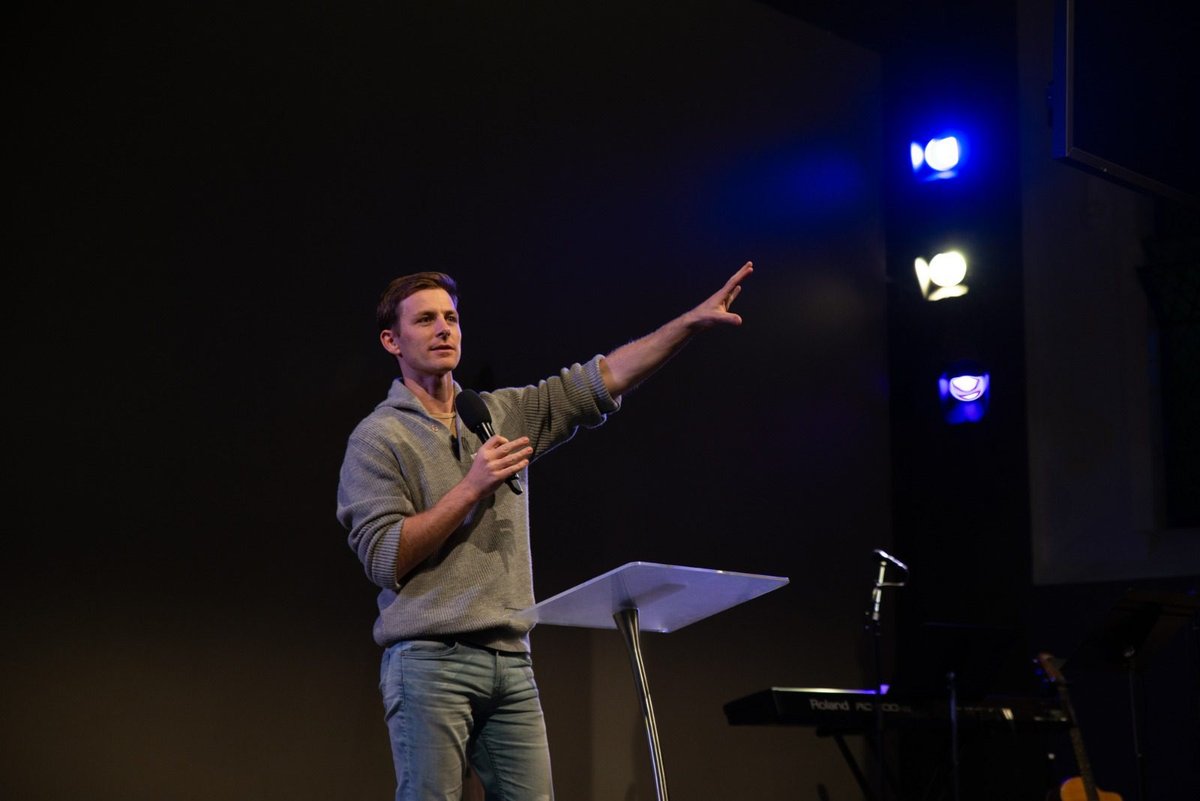
Sam Oldland has two jobs at St Jude’s — congregational pastor for Uni Church, the congregation made up mostly of students from The University of Melbourne, and overseer of the church’s ministry training. For the last several years he’s split his week 60/40 between the two: three days leading a congregation, two days doing what he calls “a lot of coffees, a lot of one-to-ones, a lot of tap-on-the-shoulder conversations.” He’s about to hand the training role over full-time to a new appointment, a transition he describes with more excitement than nostalgia, because it means the church has grown to a place where that’s possible.
A renewed commitment
It wasn’t always this way. More than a decade ago, a fire and a change in senior minister left St Jude’s needing to steady itself for a season, and ministry training — long a value of the church, took a back seat. Sam joined the team as the church was coming out of that period, right as COVID added its own delay. Once restrictions lifted, rebuilding this part of the church’s life became a priority.
There was no masterplan at first. “Early on, there was good intention, but not a lot of design,” Sam says. “We were kind of just doing things that felt like they might help.”
An apprenticeship structure went in. Events got put in the calendar. And as those rhythms strengthened, and as the number of apprentices grew from one, to two, to several, the church needed better systems to manage what was working. Years of trial and adjustment eventually clarified into something coherent enough to invite people into deliberately.
The pathway
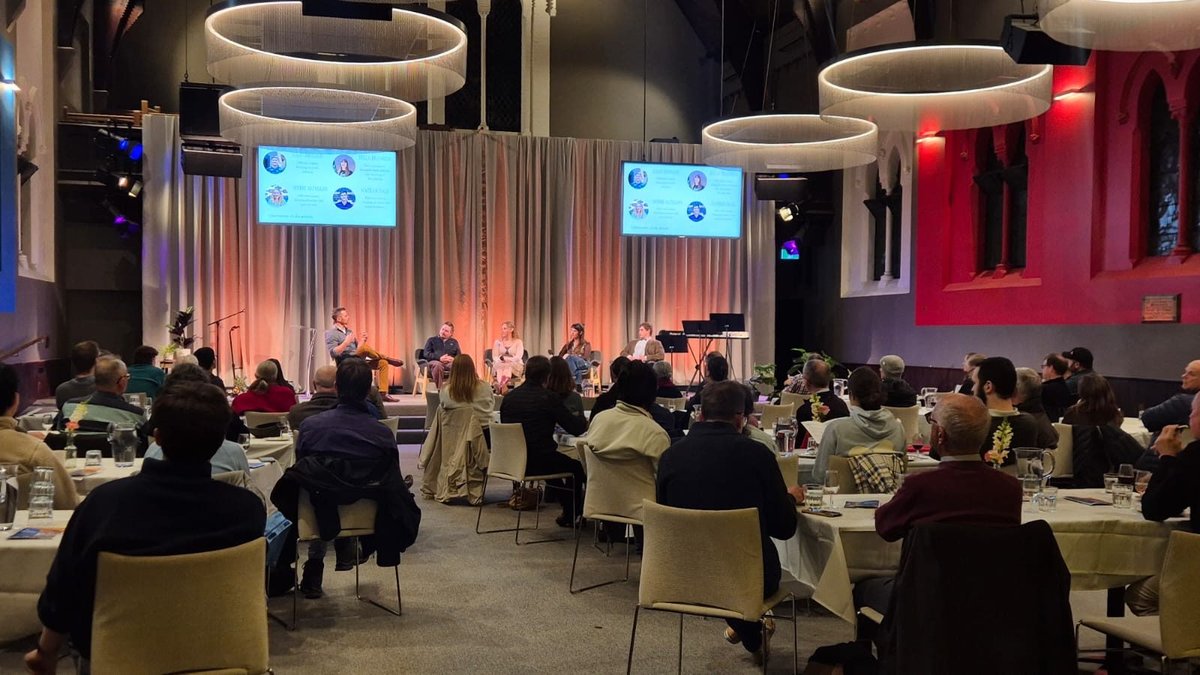
At St Jude’s, Sam and the team describe this whole structure as a pathway — language that feels relational rather than mechanical, and fits the way it’s actually built, like a funnel, where each step invites a bigger yes, and fewer people move through each one, by design.
It starts early — a Leaders in Training stream for high schoolers (a local expression of the Youthworks program), and deliberate investment in small group and ministry team leaders, whoever they are. From that pool, the staff team invites people to an annual Consider Ministry night — open to anyone, like a broader version of an MTS In Focus night, with testimonies, teaching on God’s plan for the world, and practical next steps.
From there, some are invited into Pathways: about a dozen people, meeting monthly for a year in Sam’s lounge room, working through 2 Timothy with a different gospel worker leading each session and sharing how God led them into ministry. People come from across St Jude’s congregations, and most years from other churches too, always in partnership with, not poached from, their own minister, who’s invited to lead a session as part of that partnership.
Beyond Pathways sits the apprenticeship itself. MTS’s two-year model, which gives St Jude’s a tested framework rather than something Sam must build from scratch. This is followed by an area Sam says is still developing, walking with people financially and pastorally through theological college, sometimes through paid ministry work or bursary support drawing on what the church already knows about someone’s character and gifting.
What they’re looking for
Growth in godliness and in the ability to lead others — the same qualities that got someone invited to lead a small group in the first place. Teachability, and an openness to “a story for their life that’s open” to wherever God leads. And Sam’s quick to add, a multiplying mindset. People who don’t just do ministry themselves but hand it to others too. He points to Ephesians 4 where we see pastors and teachers equipping God’s people for works of service.
The pastoral relationship
Sam tells the story of “Tom” (a pseudonym), a small group leader who preached his first sermon under Sam’s training, then moved away for a rural job. For three or four years, they caught up over coffee whenever Tom was back in Melbourne, having conversations that had started at Uni Church simply continued. Tom eventually returned, said yes to a two-year apprenticeship, and is now at theological college pursuing ordination. “It’s never just putting people on a conveyor belt,” Sam says. “There’s always a pastoral relationship running alongside the structure.”
Ultimately, the pathway gives St Jude’s a clear way to keep inviting people forward, but it is the ordinary, patient, prayerful relationships alongside it that help people take their next step forward.
Related Stories
A ministry training culture that keeps multiplying, with Hunter Bible Church
Read More 
Gospel impact through ministry training, with Josh Allen
Read More 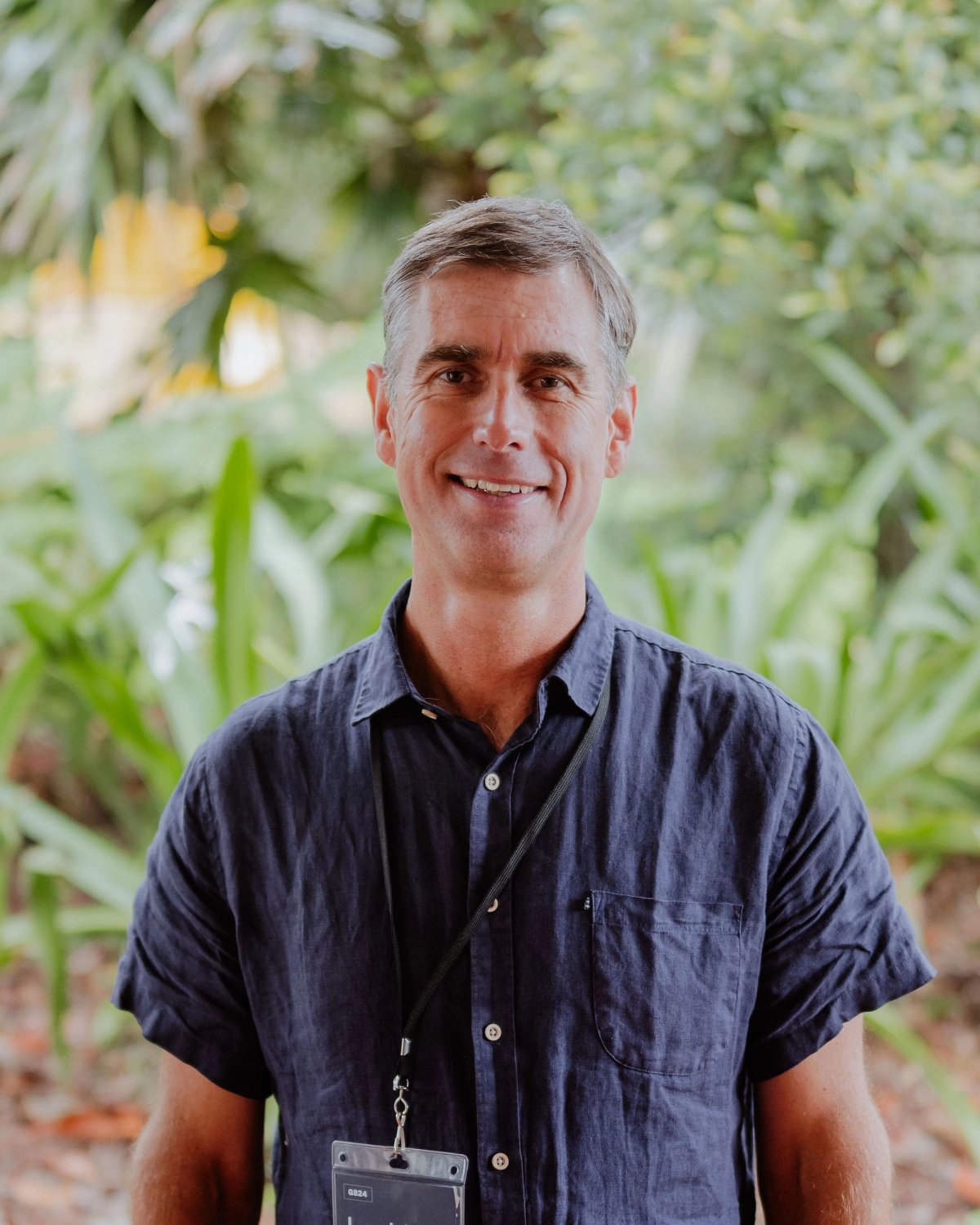
A Pipeline for Ministry: Growing Gospel Workers in North West Australia
Read More 
Celebrating Gospel Growth at New Life Christian Church
Read More